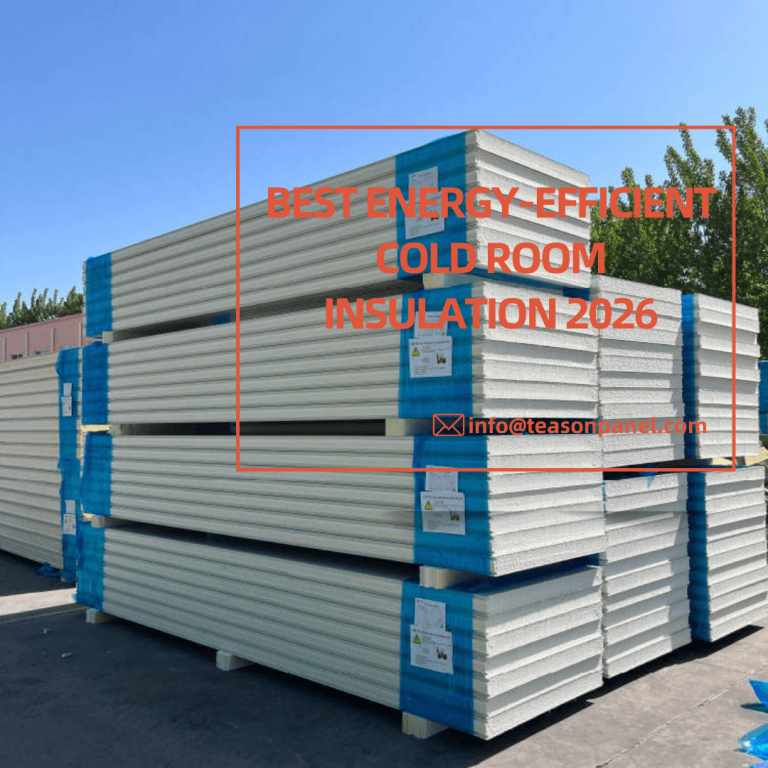
Ecuador Tightens Steel Import Controls: What This Really Means for Construction and Sandwich Panel Projects
If you’re involved in construction or industrial projects in Ecuador, you may have already noticed something changing. Steel-related imports don’t move as smoothly as they used to.
In 2025, Ecuador’s Ministry of Production, Foreign Trade, Investments, and Fisheries (MPCEIP) introduced a new government resolution that places stricter controls on selected steel and steel-based products. On paper, it looks like a regulatory update. In practice, it has very real consequences for construction materials, sandwich panels, cold room systems, and industrial projects that depend on imported components.
And for many importers, the pressure point isn’t the product itself—it’s the paperwork.

Why Ecuador Is Paying Closer Attention to Steel Imports
From a policy standpoint, this shift isn’t surprising.
Ecuadorian authorities are aiming to tighten trade compliance, reduce under-declaration, and curb irregular import practices that have lingered for years. At the same time, the government is trying to create a more predictable and regulated market environment for domestic industries.
That said, steel and steel-based products—especially those used in construction—sit in a grey zone. Items like sandwich panels, color-coated steel sheets, and cold room envelopes are not raw steel, yet they clearly fall under steel-related categories. Once regulations tighten, these products tend to attract closer scrutiny.
What the Resolution Actually Changes
According to the resolution and its annexes, certain steel and steel-related products must now meet additional requirements before shipment, not just at customs clearance.
In particular:
- Some products are subject to pre-shipment verification or supervision
- HS codes, product descriptions, quantities, and declared values must match precisely
- Any inconsistency can trigger delays, extra inspections, or even shipment rejection
This is a key shift. Import compliance no longer starts at the port—it starts at procurement, documentation, and supplier coordination.
Quick Compliance Check: Ecuador Steel Import 2025
To navigate the new MPCEIP requirements, importers should verify the following details before shipment:
| Category | Affected Products | Key HS Codes | Required Document |
| Finished Structural | Sandwich Panels, Cold Room Panels | 7308.90, 9406.90 | Product Conformity Certificate (INEN) |
| Coated Steel | PPGI / PPGL Coils | 7210.70, 7212.40 | Mill Test Certificate + ISO 17025 Lab Report |
| Raw Materials | Galvanized Steel Sheets | 7210.49 | Automatic Import License (Licencia Automática) |
Warning for Importers: Ensure that the Product Description in your commercial invoice matches the exact wording required by the INEN Technical Regulation. Vague terms like "Construction Material" typically trigger customs audits.
Why Project-Based Buyers Feel the Impact First
For buyers involved in cold storage facilities, logistics centers, industrial plants, or power infrastructure, timelines are everything.
A shipment delayed at customs doesn’t just sit idle—it pushes construction schedules, disrupts subcontractors, and increases indirect costs. In this environment, focusing solely on price is no longer enough.
Sandwich panels and color-coated steel products are particularly exposed. Because they contain steel and serve structural or envelope functions, they are more likely to be subject to enhanced regulatory review.

Where Most Problems Actually Come From
In day-to-day operations, issues rarely arise because the material is of high quality. More often, they come down to documentation details:
- HS codes that are too broad or inconsistently applied
- Product use descriptions that don’t clearly match real applications
- Missing or incomplete technical specifications
These problems don’t always result in fines. Instead, they quietly consume time—and for project owners, time is often the most expensive variable.
Why “Just Buying Materials” Is No Longer Enough
Under the current regulatory environment, importers need more than a supplier who can ship panels.
They need:
- Products plus clear technical documentation
- Materials plus compliance awareness
- Manufacturers capable of long-term, regulation-aligned cooperation
A supplier’s ability to understand and anticipate regulatory expectations has become an unspoken—but critical—selection criterion.
How Tseason Helps Importers Navigate the New Reality
As a manufacturer of sandwich panels and metal envelope systems, Tseason doesn’t treat compliance as an afterthought.
In export projects—especially those involving Ecuador—Tseason places strong emphasis on documentation clarity and accuracy, including:
- Clear, standardized technical specifications
- Assistance with HS code classification and application descriptions
- Support in preparing pre-shipment technical and product documents
These steps may seem procedural, but they often determine whether a shipment clears smoothly or becomes a problem case.
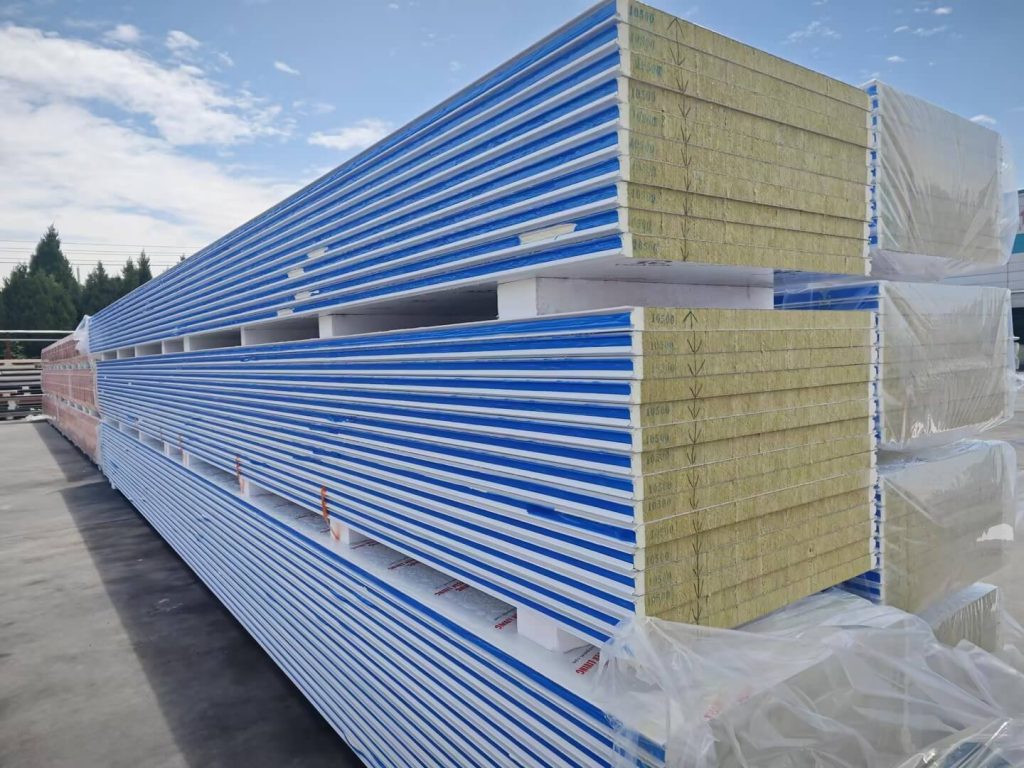
Reducing Risk by Solving Problems Early
By aligning product information and documentation at the early stages, Tseason helps importers:
- Reduce regulatory risks caused by declaration inconsistencies
- Avoid misclassification into higher-risk steel categories
- Improve clearance predictability and reduce unexpected delays
In markets where enforcement is tightening, early alignment is usually the most cost-effective strategy.
Extra Support for Engineering and Project Imports
For cold rooms, industrial facilities, and infrastructure projects, Tseason goes a step further by offering:
- Project-level sandwich panel configuration recommendations
- Specifications aligned with regulatory review logic
- Technical documentation that supports approvals and filings
These elements rarely appear on a quotation sheet—but they often determine whether a project stays on track.
Why Stability Matters More Than Ever
As regulations become stricter, the gap between suppliers widens—not on price, but on reliability.
Stable raw material sourcing, proven export experience, and the ability to respond to policy changes all matter. For Ecuadorian importers, choosing a partner who understands both the product and the compliance landscape is increasingly a risk-management decision.
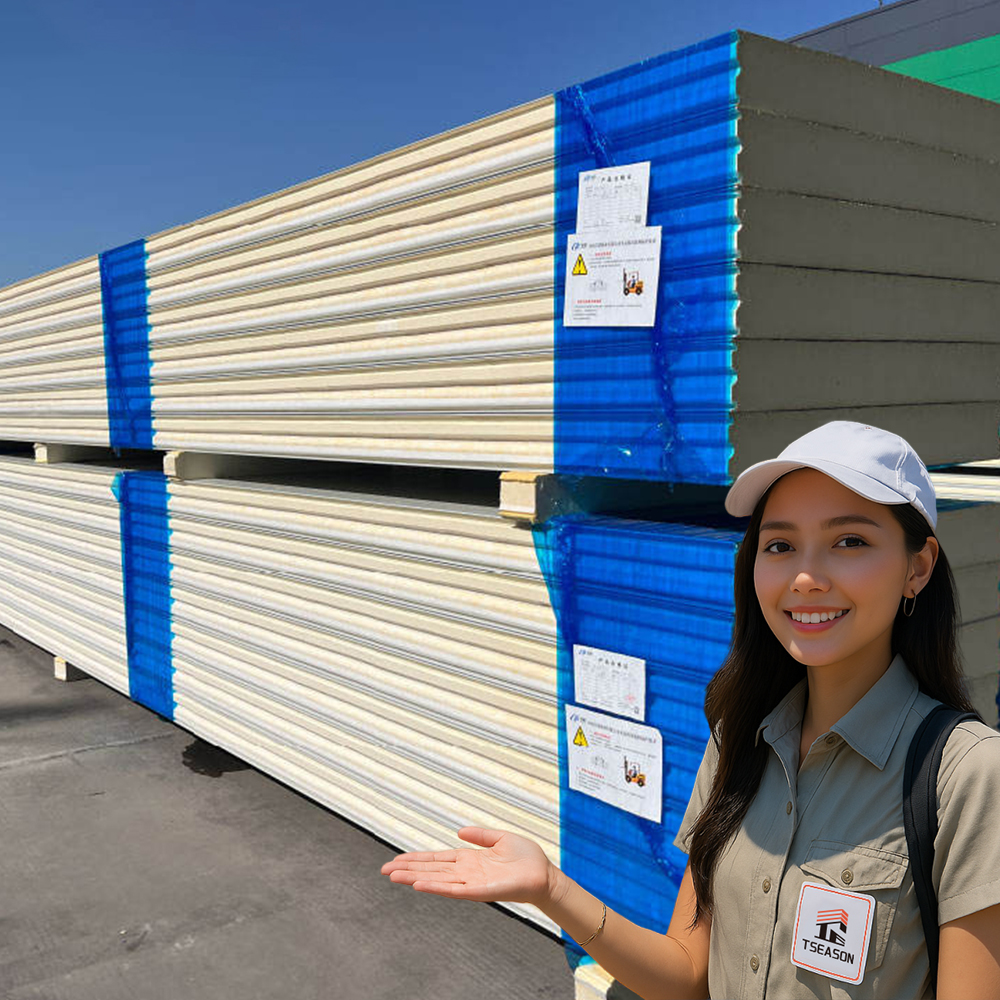
Practical Takeaways for Importers and Project Owners
If you’re planning to import sandwich panels or steel envelope systems into Ecuador, a few steps can make a real difference:
- Confirm early whether your products fall under regulated steel categories
- Prioritize suppliers who can provide complete, consistent documentation
- Include compliance reliability as part of supplier evaluation—not an afterthought
Most regulatory risks are manageable when addressed upfront.
Final Thought
As Ecuador continues to tighten steel import controls, reducing risk isn’t about avoiding regulation. It’s about working with partners who understand how products, documentation, and compliance fit together.
If you’re looking to reduce uncertainty in your sandwich panel or enclosure projects, Tseason is ready to support not just the materials—but the entire delivery process.
FAQ
Q: Do sandwich panels require an INEN certificate in Ecuador?
- A: Yes, under the new 2025 resolution, sandwich panels (HS Code 7308.90) often require a certificate of conformity demonstrating compliance with fire and structural standards.
Q: What documents does Tseason provide for Ecuador customs?
- A: We provide the Commercial Invoice with precise HS coding, Packing List, Mill Test Certificate (MTC), and assist with the INEN conformity process.