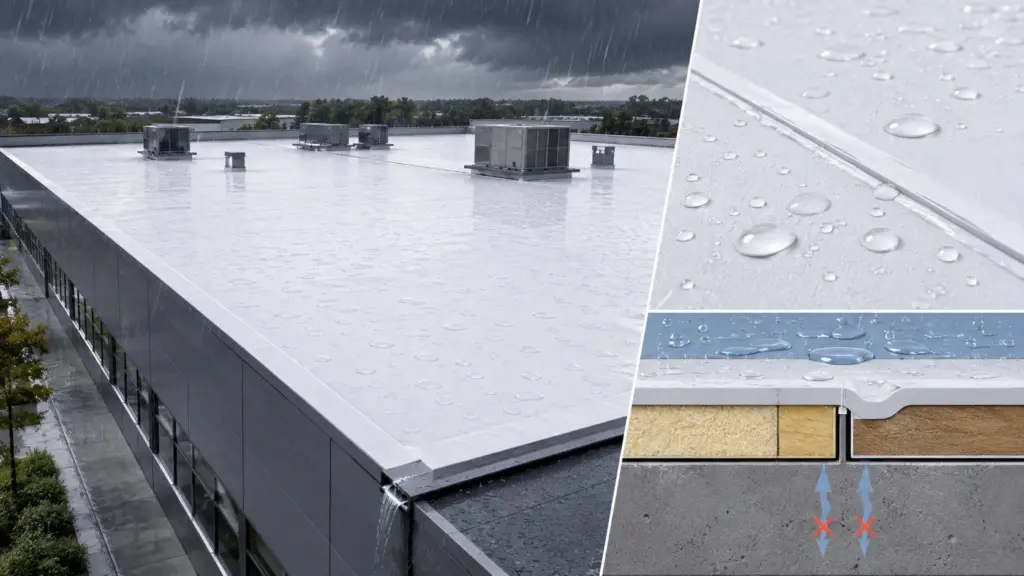
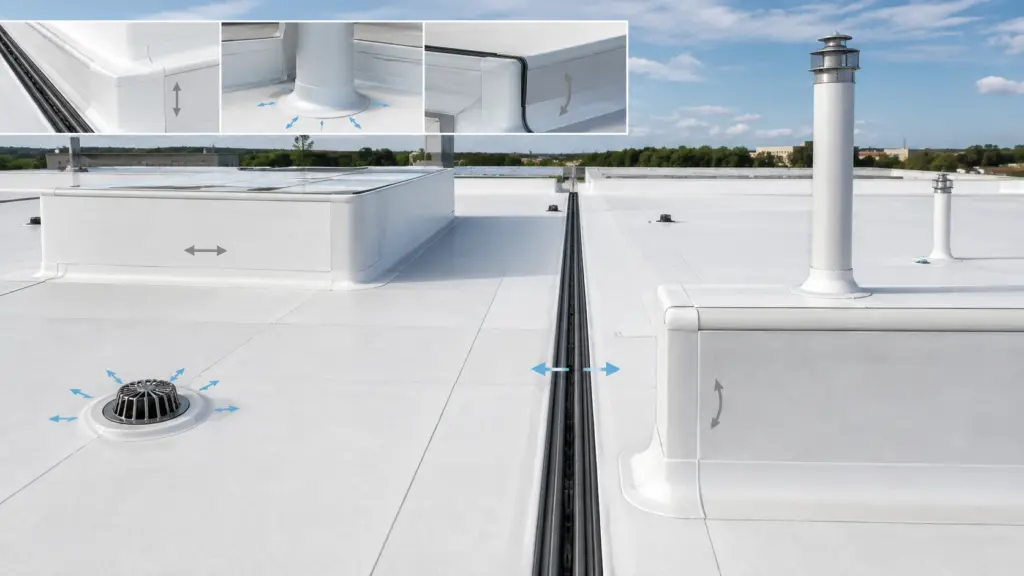
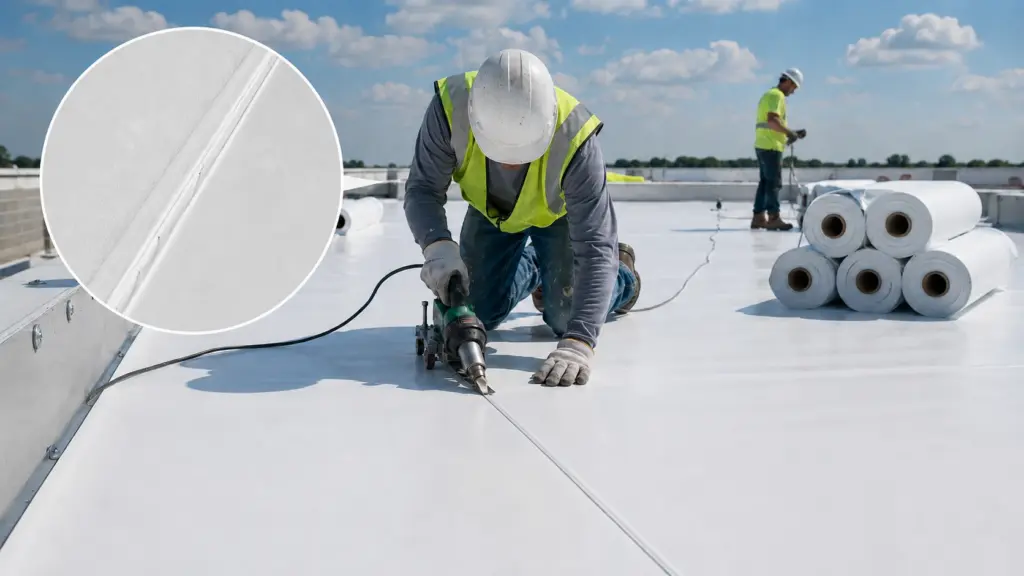
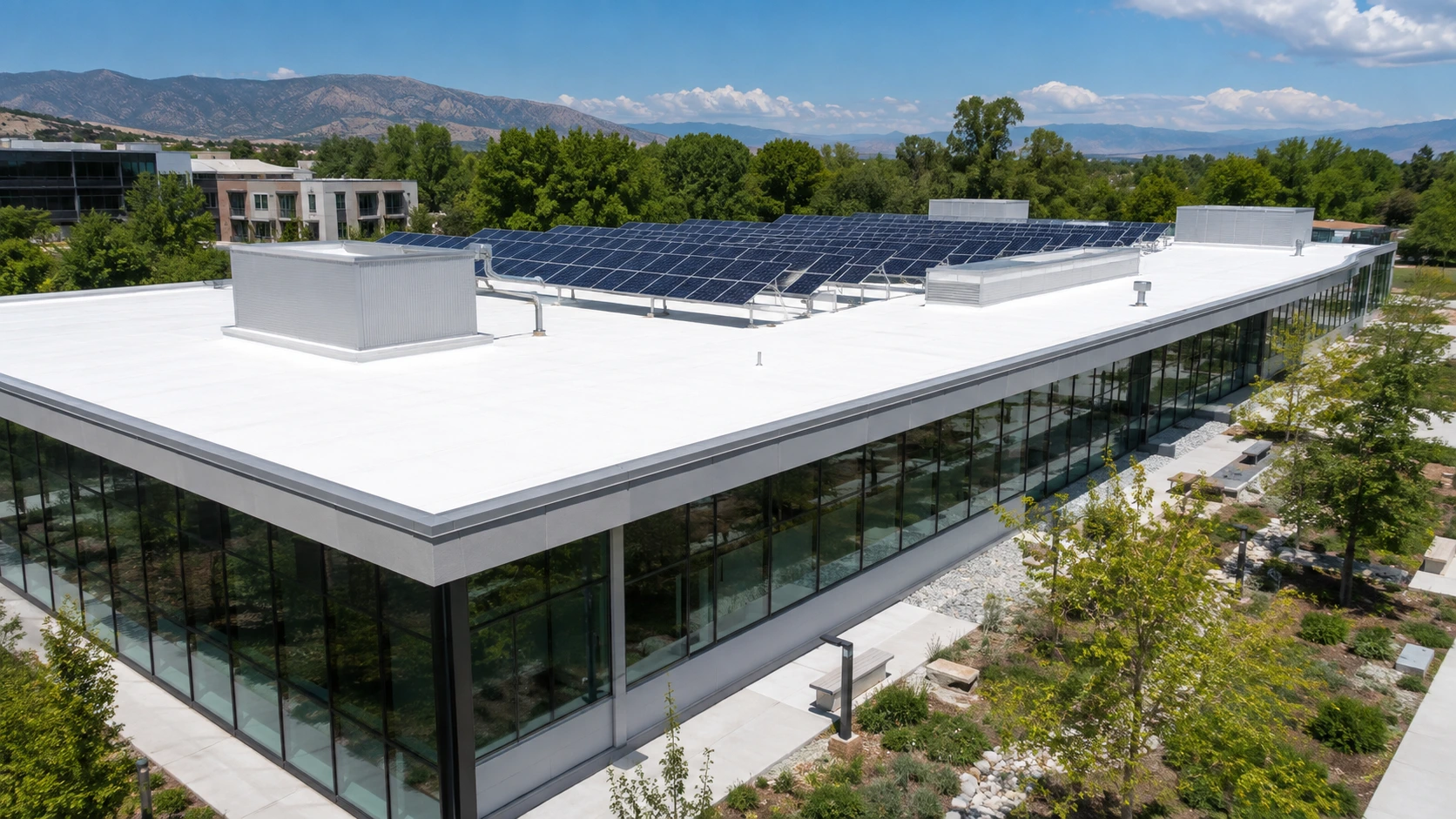
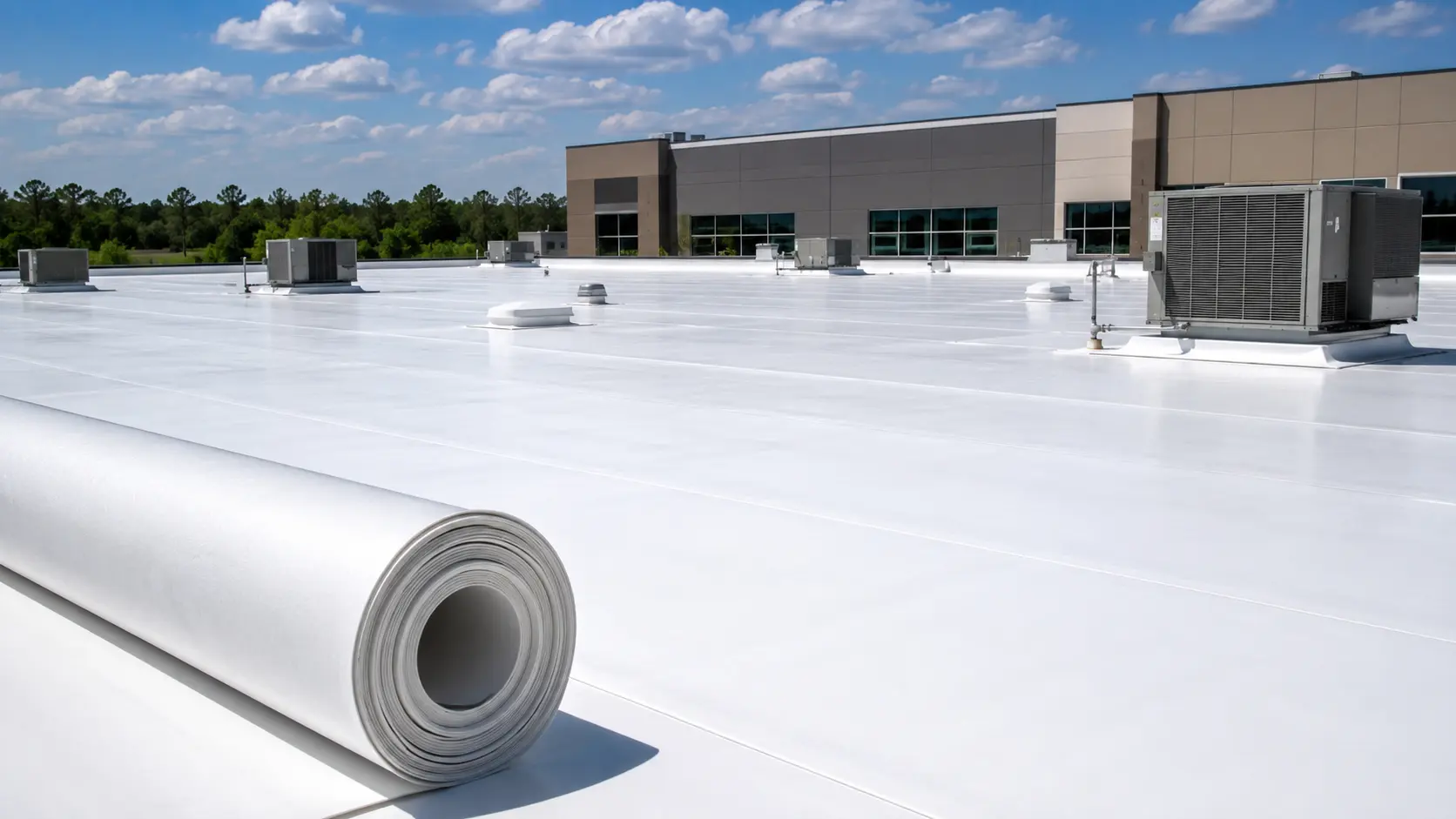
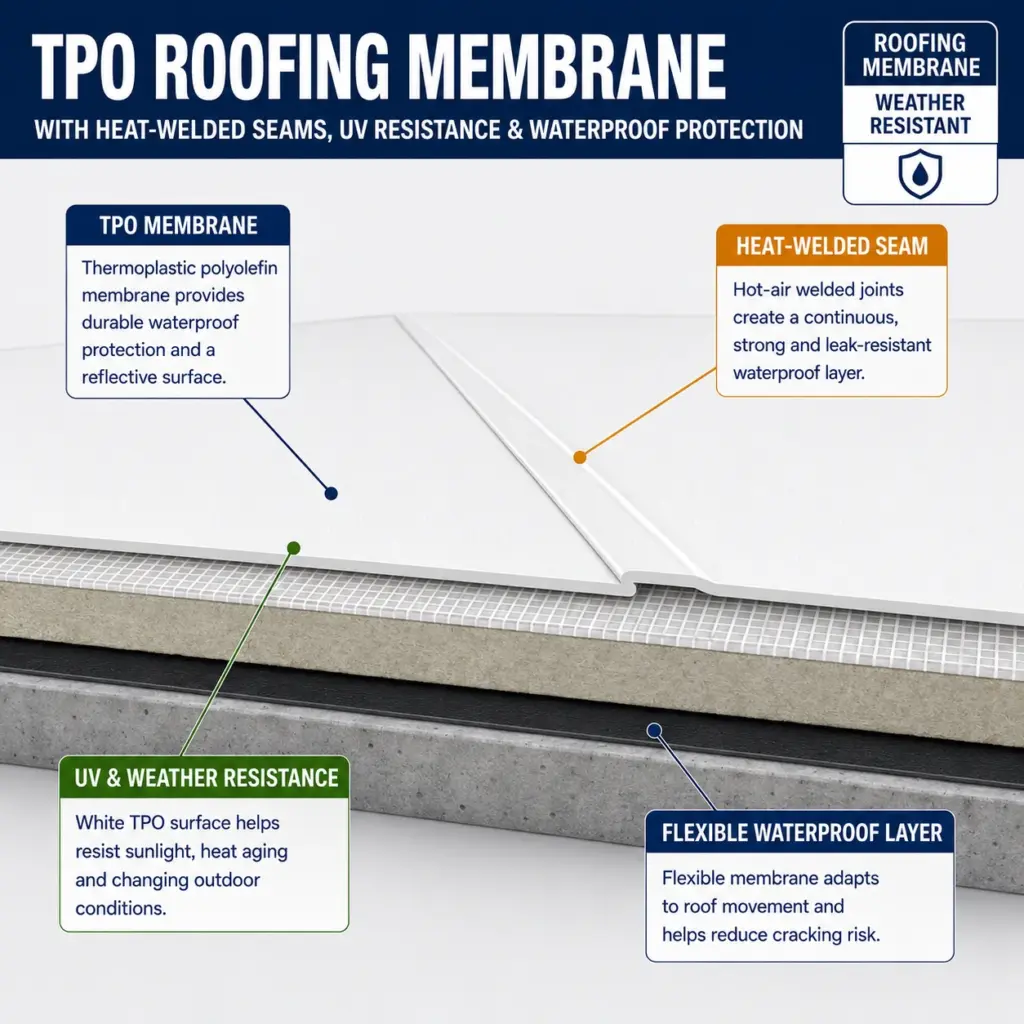
What is TPO waterproofing membrane? How does it provide waterproofing for buildings? TPO waterproofing membrane is a high-performance thermoplastic polyolefin waterproofing material specifically designed for waterproofing systems on the roofs of commercial buildings, industrial facilities, and various other structures. This material uses hot-air welding technology to seal the overlaps between membrane rolls, creating a continuous, seamless waterproof layer that effectively prevents the penetration of rainwater, groundwater, and external moisture. At the same time, TPO membranes possess excellent flexibility, allowing them to accommodate minor structural deformations and thermal expansion and contraction caused by temperature changes, thereby enhancing the long-term reliability of the waterproofing system.
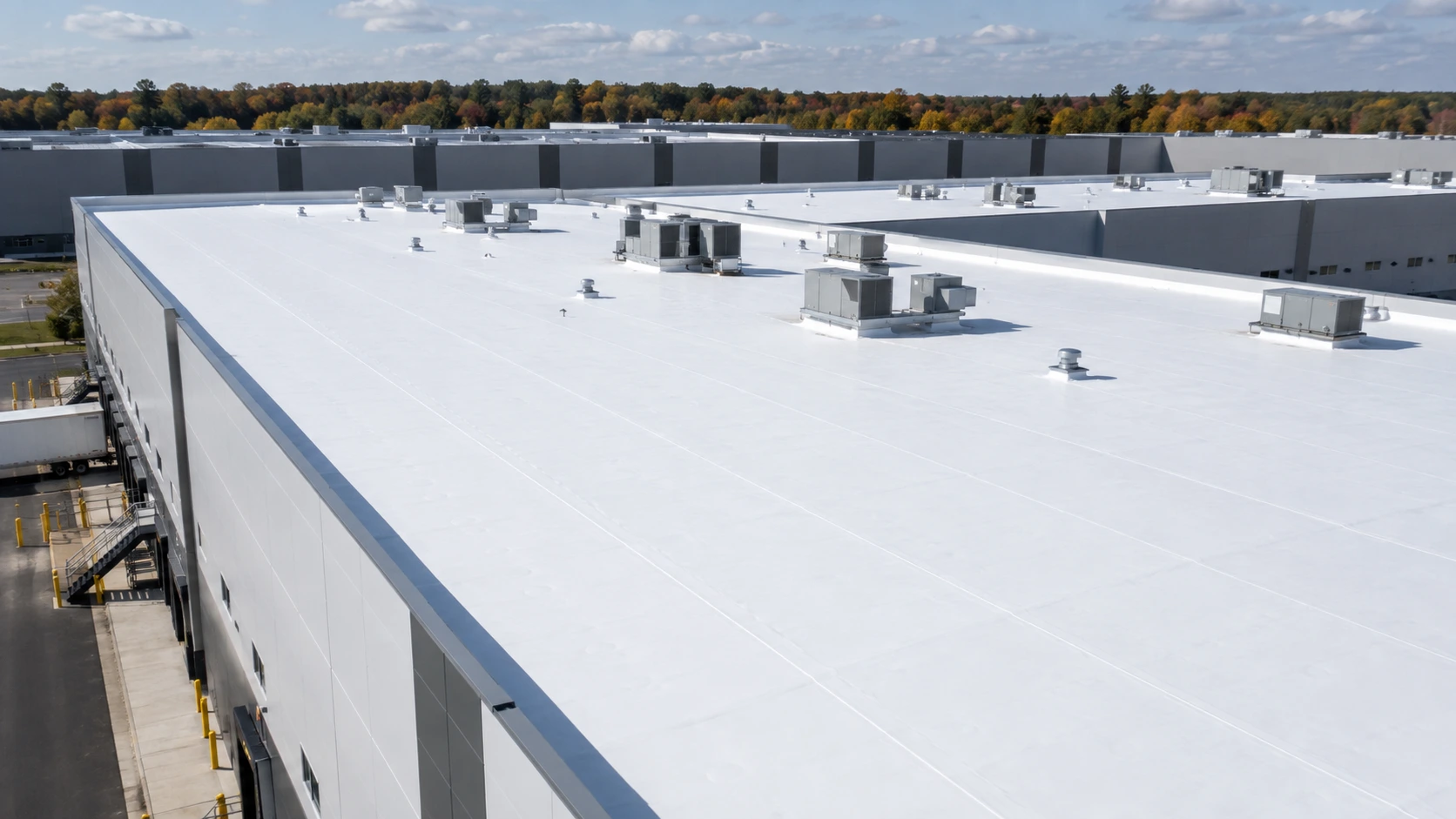
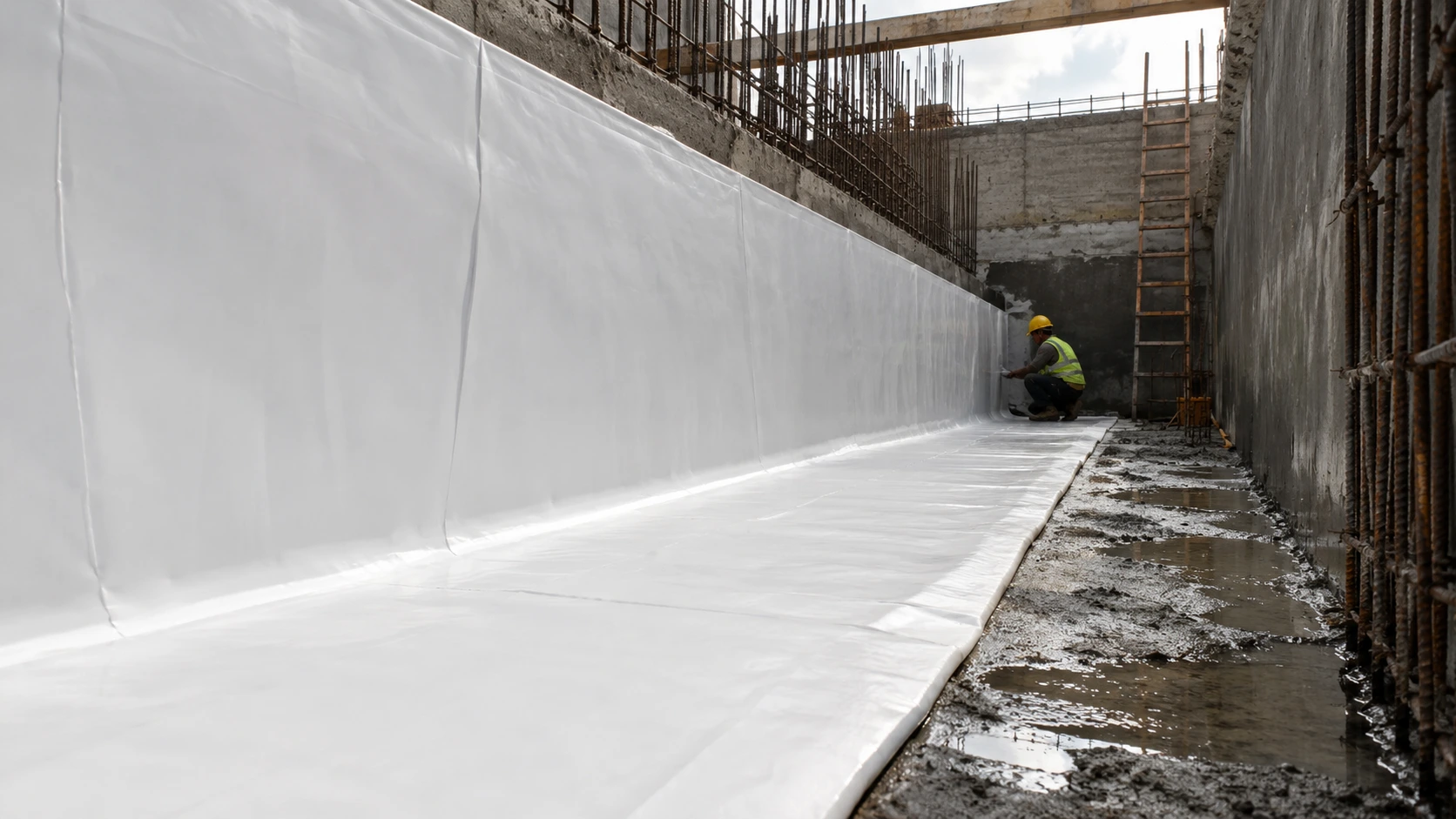
For which types of construction projects are TPO waterproofing membranes primarily used? TPO waterproofing membranes are suitable for a wide range of commercial, industrial, and infrastructure projects, including commercial buildings, industrial plants, warehouses, logistics centers, green buildings, underground parking garages, basements, and tunnels. Due to their excellent waterproofing and durability, they are particularly well-suited for flat roof and low-slope roof systems.
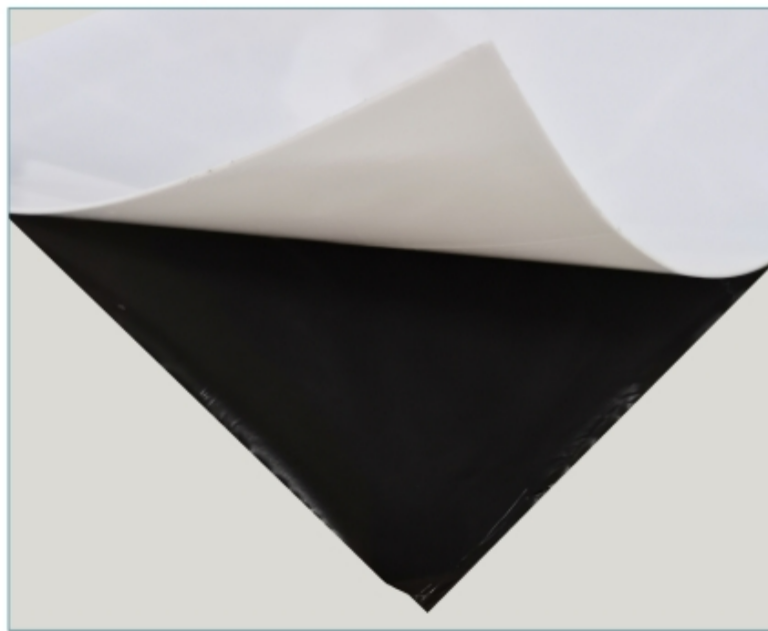
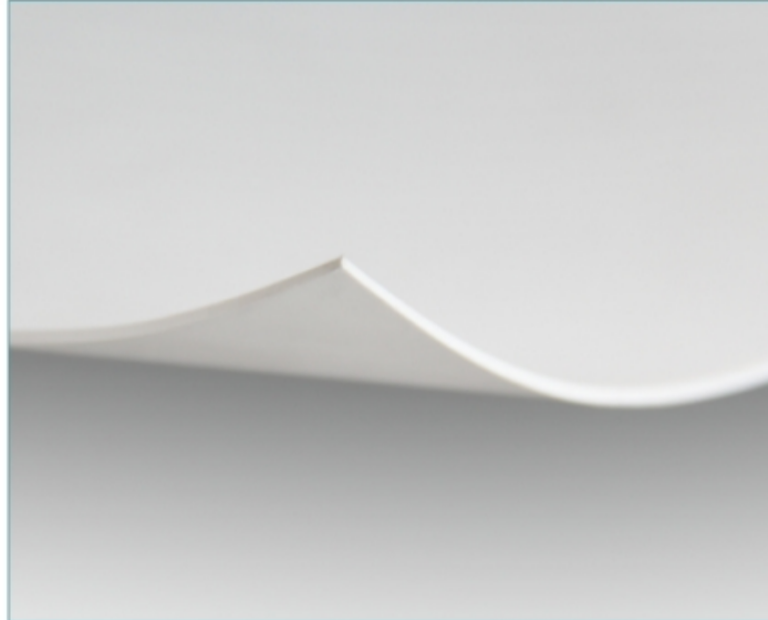
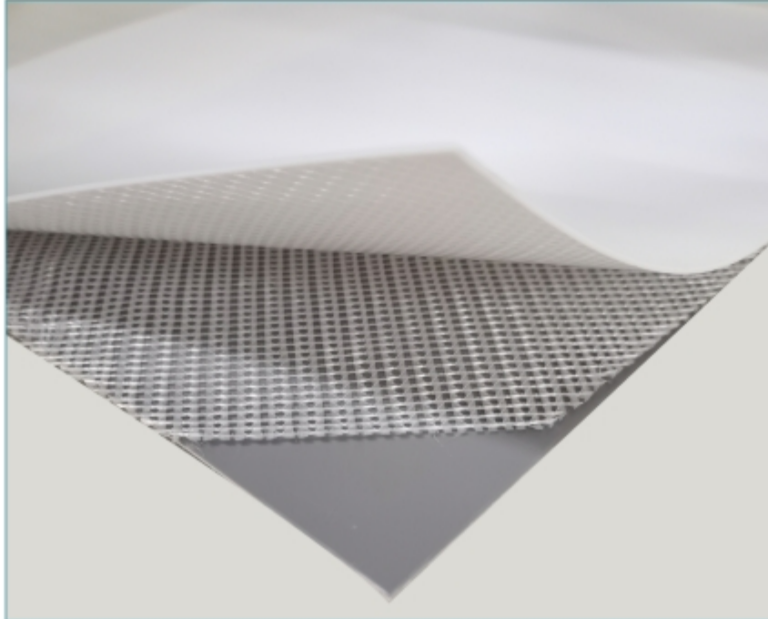
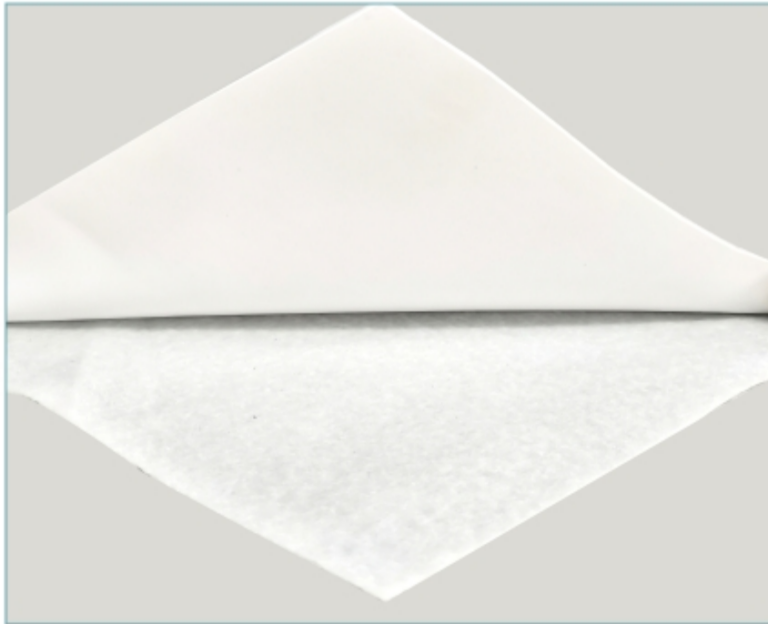
What are the different types of TPO waterproofing membranes? For which projects are the different types suitable? Depending on the structural design, TPO waterproofing membranes primarily include reinforced TPO membranes, backed TPO membranes, homogeneous TPO membranes, and self-adhesive TPO membranes. Reinforced TPO membranes incorporate a polyester mesh layer to enhance tensile strength; backed TPO membranes feature a non-woven fabric backing to improve adhesion to the substrate; homogeneous TPO membranes have a more uniform structure and are suitable for projects with high requirements for material consistency; self-adhesive TPO membranes integrate a self-adhesive layer and a release liner, simplifying the construction process and improving installation efficiency.
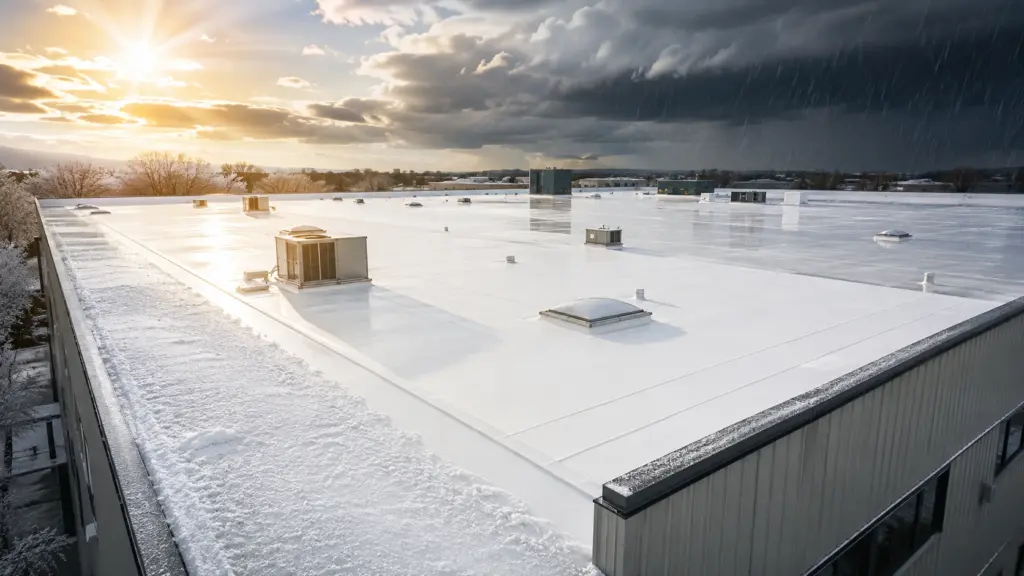
Can TPO waterproofing membranes withstand harsh climatic conditions? TPO waterproofing membranes offer excellent weather resistance and UV resistance, enabling them to withstand the long-term effects of complex environmental factors such as sunlight, rain, wind, snow, and temperature fluctuations. Even in regions with high temperatures, low temperatures, or significant temperature fluctuations, TPO maintains good flexibility and stability, making it suitable for building waterproofing projects in a wide range of climatic conditions.
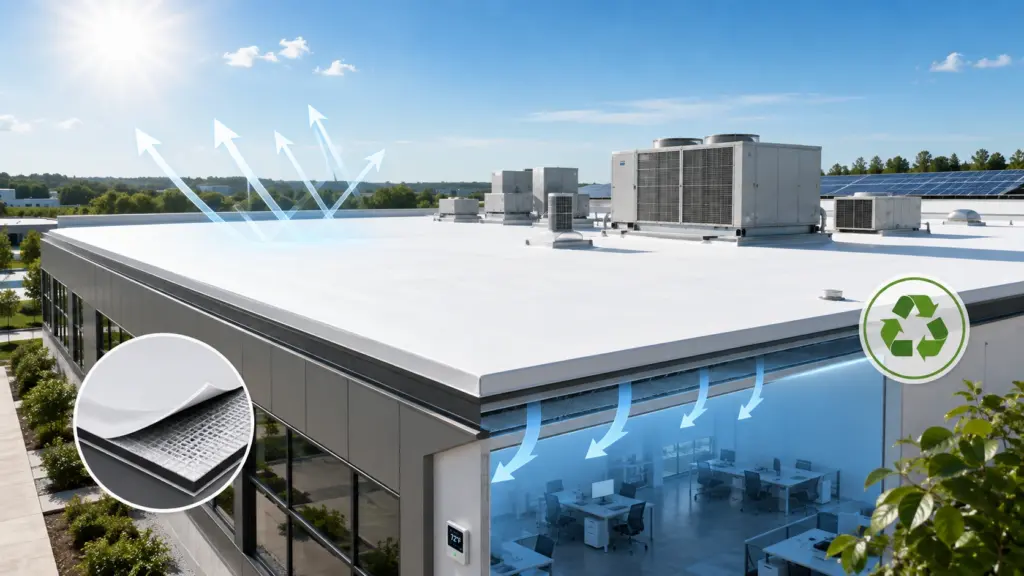
Why are TPO waterproofing membranes considered an energy-efficient and environmentally friendly roofing material? TPO waterproofing membranes are typically designed with light-colored surfaces, especially white membranes, which effectively reflect solar radiation and reduce heat absorption by the roof. This, in turn, lowers air conditioning energy consumption inside the building and improves the building’s energy efficiency. Additionally, TPO materials are chlorine-free and recyclable, meeting the requirements for green building and sustainable development.